Superstitions Surrounding Specific Digits in Traditional Hall-Based Gaming Sessions
Greta Koch · Jul 19, 2026
Superstitions Surrounding Specific Digits in Traditional Hall-Based Gaming Sessions
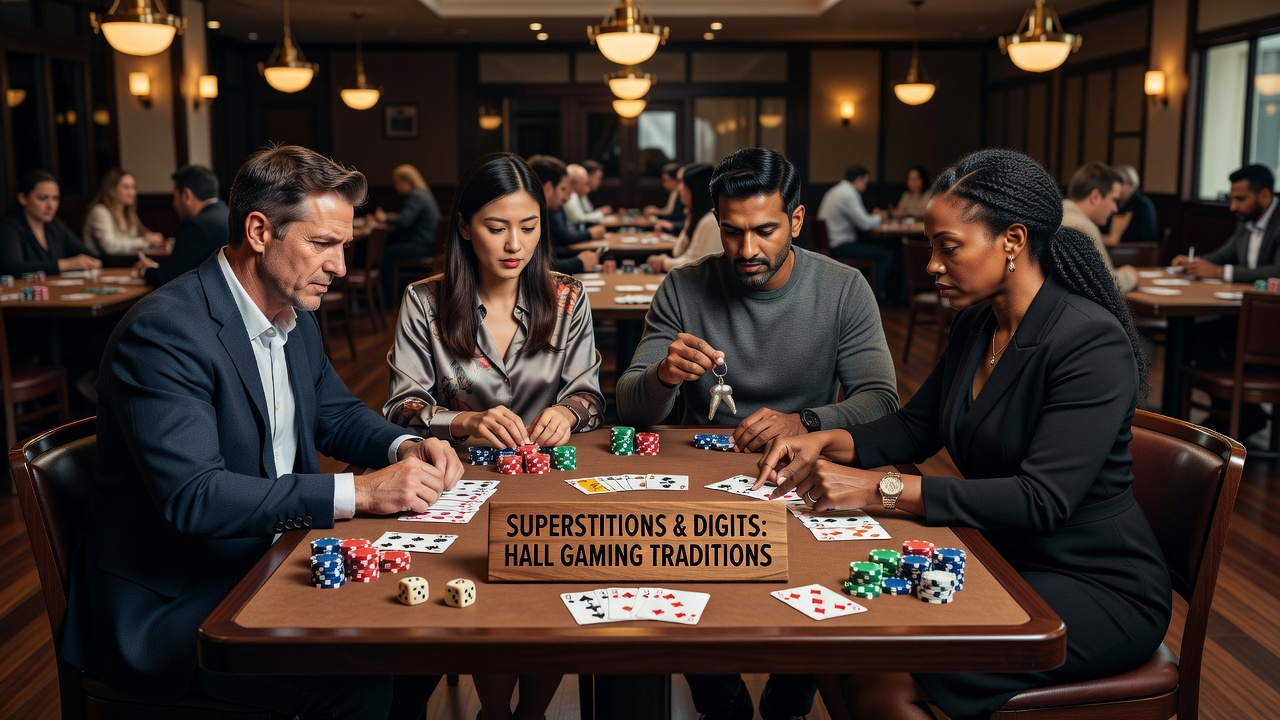
Traditional hall-based gaming sessions feature a range of superstitions tied to specific digits, and these beliefs shape how participants select and interpret numbers during play. Observers note that such practices appear across bingo halls in multiple regions, where players associate certain figures with fortune or misfortune based on longstanding cultural associations.Origins of Digit-Based Beliefs in Hall Settings
Hall-based games like bingo trace their digit superstitions to broader cultural traditions that predate modern gaming venues, and researchers link these patterns to folklore from Europe, Asia, and North America. Data from gaming studies shows that players often avoid or favor numbers like 7, 13, and 4 because of symbolic meanings carried over from religious and historical contexts. For instance, the number 7 holds positive connotations in Christian and Western traditions, leading some participants to mark it first when it appears on their cards.
Yet the number 13 carries avoidance in many Western halls, where players report skipping cards containing it or viewing its appearance as a signal to change strategies. Studies from institutions such as the University of Nevada, Reno document these behaviors in observational reports from community bingo events, noting consistent patterns without attributing outcomes to the digits themselves.
Regional Variations in Digit Preferences
Asian-influenced halls frequently treat the digit 4 with caution because its pronunciation echoes words for death in languages such as Mandarin and Cantonese, and this association influences card selection among diaspora communities in Canada and Australia. Canadian gaming reports indicate that operators in provinces like Ontario have recorded instances where players request replacements for cards featuring multiples of 4, though no regulatory data connects these choices to actual win rates.
In contrast, the digit 8 receives favorable attention in halls serving East Asian populations, as its sound aligns with prosperity terms, and session logs from Australian venues reveal clusters of players prioritizing cards with this number during evening draws. North American halls show parallel trends with the digit 3, which some groups link to completeness due to its presence in religious triads, prompting participants to track its frequency across multiple rounds.
Impact on Gameplay and Session Dynamics
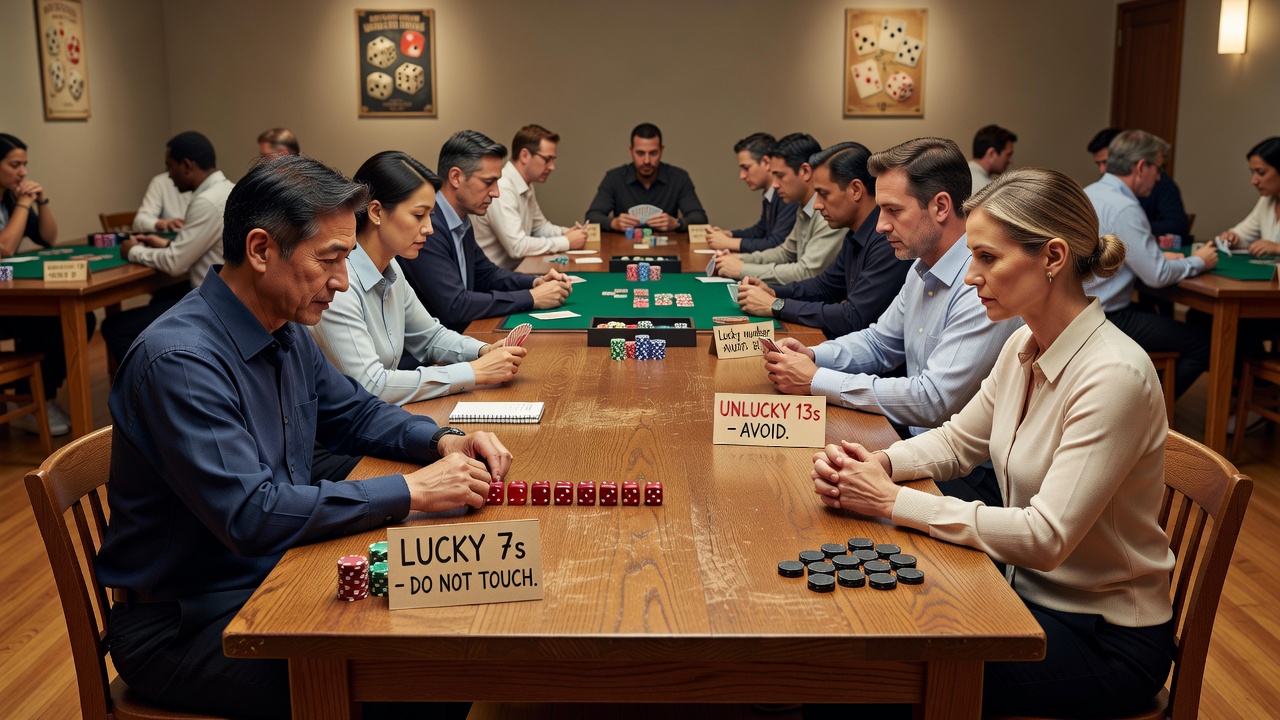
These digit preferences affect the pace and atmosphere inside halls, as participants exchange cards or adjust seating based on numerical content before draws begin. Gaming industry analyses from the National Council on Problem Gambling reveal that such rituals occur more frequently during high-stakes community events, where groups coordinate around shared beliefs without altering the random selection process used by callers. July 2026 sessions at several North American venues have incorporated themed nights that acknowledge these traditions through decorative number displays, though organizers maintain standard equipment protocols.
Hall managers report that superstitions around digits like 9, viewed in some traditions as a symbol of longevity, lead players to favor certain rows on paper cards, and this behavior persists even as venues transition portions of play to electronic boards. Evidence from longitudinal surveys conducted by research teams at Australian universities indicates stable participation rates regardless of these personal number strategies, underscoring that outcomes remain governed by probability mechanics.
Documentation Through Community Records
Local gaming associations maintain informal archives of player anecdotes regarding digit superstitions, and these collections highlight recurring references to 11 and 17 in North American and European halls. The digit 11 appears in contexts tied to balance or duality in older folklore, while 17 connects to narratives of transition in Italian-American communities, according to ethnographic notes compiled by regional historical societies. Such records demonstrate continuity across decades without evidence of influence on prize distribution.
Observers at multi-generational events note that younger players sometimes adopt these practices after exposure in shared hall environments, creating transmission patterns documented in participant interviews by academic groups focused on leisure studies. Regulatory bodies in various jurisdictions, including those overseeing charitable gaming in the United States, track operational fairness separately from these cultural elements.
Conclusion
Superstitions surrounding specific digits continue to appear in traditional hall-based gaming sessions worldwide, reflecting cultural histories rather than mechanical influences on results. Available data from academic and industry sources confirms the persistence of these associations across regions and time periods, while session structures remain anchored in standardized random draw systems. Participants engage with these beliefs as personal or communal practices that coexist alongside the core rules of play.