Regulatory Frameworks Governing Bingo Operations in Emerging Digital Markets
Greta Koch · Jun 7, 2026
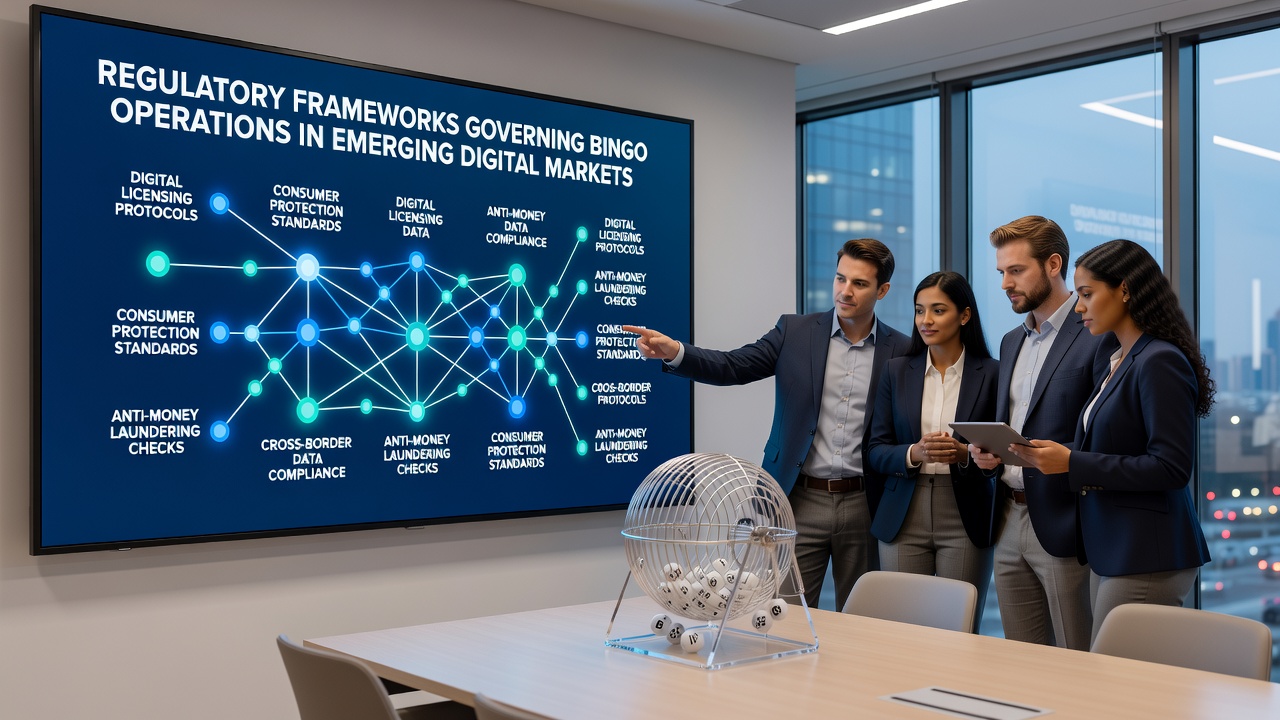
Regulatory Frameworks Governing Bingo Operations in Emerging Digital Markets
Digital bingo has expanded rapidly across emerging markets where mobile penetration and internet access have created new avenues for regulated gaming activities, and governments in these regions have responded by developing licensing systems that balance revenue generation with consumer safeguards. Countries in Latin America, parts of Asia, and Africa have introduced specific rules that address online platforms, payment processing, and age verification while adapting traditional land-based bingo statutes to digital environments.
Core Elements of Digital Bingo Licensing Systems
Regulatory bodies typically require operators to obtain licenses that cover software integrity, random number generation standards, and data protection protocols, and these requirements often include regular audits conducted by independent testing labs. Emerging markets such as Brazil and Colombia have updated their frameworks since 2023 to mandate local servers for player data storage, which helps authorities enforce tax collection and dispute resolution processes.
Operators must also implement responsible gaming tools including deposit limits and self-exclusion options, and regulators in these jurisdictions tie license renewals to compliance reports that track player behavior metrics. Data from industry reports indicates that markets with clear licensing pathways have seen higher rates of legitimate operator entry compared to regions where rules remain fragmented.
Regional Variations Across Emerging Economies
Latin American nations have taken distinct approaches, with Mexico maintaining federal oversight through its interior ministry while allowing state-level variations for promotional bingo events, and Argentina has centralized online gaming permits under a national lottery authority that began accepting digital bingo applications in 2024. Southeast Asian countries including the Philippines and Vietnam have incorporated bingo into broader e-gaming regulations that emphasize partnerships with local payment providers to prevent money laundering risks.
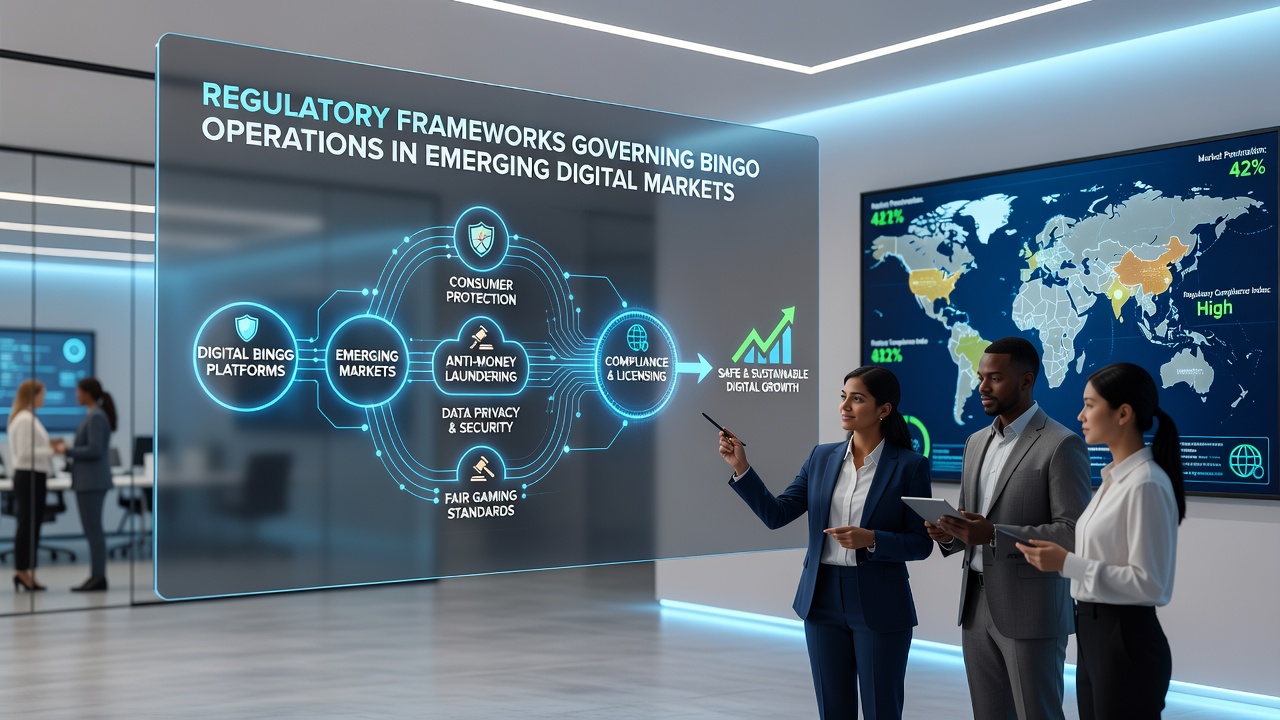
African markets such as Kenya and Nigeria have introduced tiered licensing that distinguishes between social bingo formats and those involving real-money stakes, and these systems require operators to contribute portions of revenue to community development funds. Observers note that such provisions reflect efforts to align digital bingo growth with broader economic policy goals in regions where traditional gaming has long supported local initiatives.
Compliance Challenges and Technological Adaptations
Enforcement in emerging digital markets often relies on geolocation technology and transaction monitoring to restrict access from prohibited jurisdictions, yet operators report difficulties when cross-border player traffic occurs through VPNs. Regulators have addressed these issues by requiring operators to integrate advanced identity verification systems that cross-reference government databases, and several jurisdictions now mandate annual penetration testing of platform security measures.
Payment regulations present additional layers of complexity because many emerging markets restrict foreign currency transactions or impose high fees on international gateways, and bingo operators have adapted by forming alliances with regional fintech companies that facilitate local currency deposits. Research indicates that platforms using these localized solutions experience fewer account freezes and smoother regulatory reporting cycles.
Developments Expected by June 2026
Policy updates scheduled for release around June 2026 in several emerging markets are projected to introduce standardized reporting templates for player fund segregation and advertising disclosures, and these changes aim to reduce inconsistencies that have previously hindered multi-jurisdictional operations. Trade associations have begun preparing guidance documents that outline how operators can transition existing licenses to meet the forthcoming technical specifications.
International cooperation agreements are also advancing, with regulators from Latin America and Africa participating in information-sharing forums that focus on cross-border enforcement of digital bingo rules. These efforts build on earlier models established in more mature markets and seek to prevent regulatory arbitrage where operators might otherwise relocate to jurisdictions with lighter oversight.
Conclusion
Regulatory frameworks for digital bingo in emerging markets continue to evolve through iterative updates that incorporate technological capabilities and revenue priorities, and the period leading into mid-2026 will likely bring further standardization across licensing and compliance areas. Operators who maintain proactive engagement with these changing requirements position themselves to sustain long-term access in these growing sectors while meeting the standards set by local authorities.