Global Adaptations of Bingo: Rule Modifications That Reflect Local Customs and Preferences
Casey Perry · Aug 2, 2026
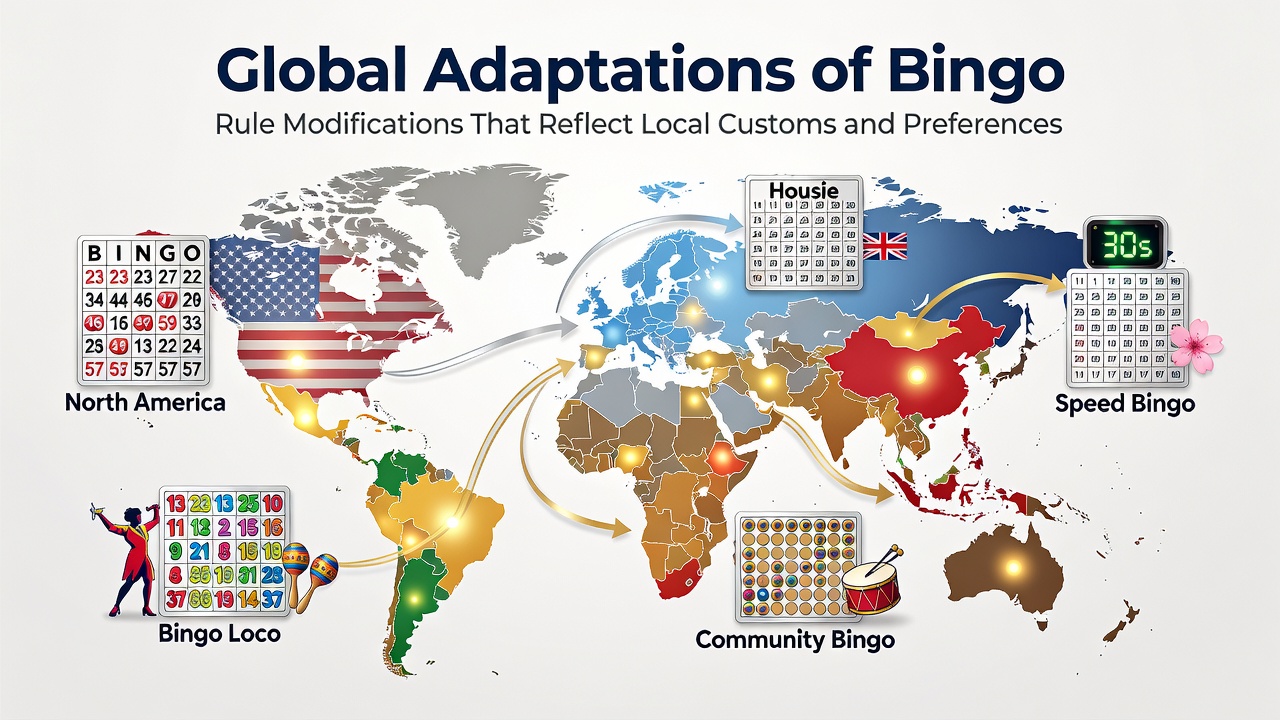
Global Adaptations of Bingo: Rule Modifications That Reflect Local Customs and Preferences
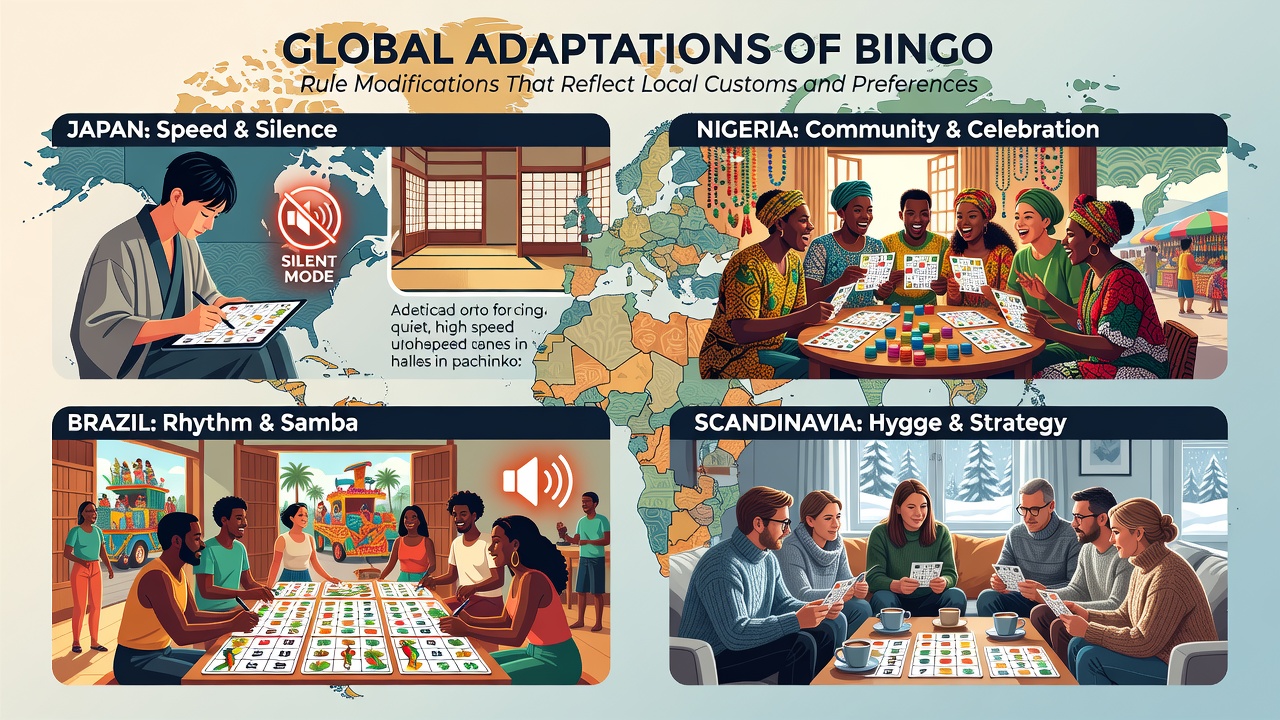
Observers note that bingo has traveled far from its European roots, and communities worldwide have adjusted the core mechanics to match their own traditions, festivals, and social rhythms. These changes often involve the number of balls drawn, the size of the grid, prize structures, and even the timing of sessions to align with religious calendars or harvest seasons. Data from industry reports show that such modifications help maintain player engagement while respecting cultural boundaries. In several Asian countries, organizers have merged bingo with local number games that predate the modern version. Japanese players, for instance, sometimes use 75-ball cards but incorporate elements from keno-style lotteries, shortening rounds to fit evening television schedules. Indian adaptations frequently expand the card to include symbols tied to festivals such as Diwali, and callers announce combinations that reference regional deities or proverbs rather than standard nicknames. These adjustments appear in reports from gaming associations operating across the continent.Rule Changes in Latin American and Caribbean Settings
Latin American operators have introduced time-limited sessions that coincide with national holidays, while altering win conditions so that certain patterns honor historical events. In Brazil, 90-ball bingo occasionally requires an extra layer where players must also match numbers drawn from a separate samba-themed bonus wheel. Mexican variants reduce the card size to 15 numbers and tie prizes to community fundraisers, a practice documented in studies released by the Mexican National Lottery in August 2026. Caribbean islands have added call-and-response elements drawn from local music traditions, turning each number announcement into a brief rhythmic exchange between caller and audience.
European Variations Beyond Standard Formats
Scandinavian halls have shifted to smaller 60-ball games during summer months when daylight hours stretch long, allowing sessions to finish before midnight. In parts of Eastern Europe, grids incorporate seasonal symbols alongside numbers, and players may claim victory only after completing patterns that represent local embroidery motifs. French adaptations limit the number of simultaneous cards per person to encourage social interaction, a rule tracked in data compiled by the French Online Gaming Regulatory Authority.
African and Middle Eastern Adjustments
Across several African nations, bingo sessions integrate with market days and often feature cards numbered to reflect local currencies or agricultural cycles. South African operators have introduced progressive jackpots that roll over until community milestones such as school openings are reached. In the Middle East, versions played in permitted venues shorten rounds and replace verbal calls with visual displays to accommodate linguistic diversity within the same room. Figures released by the World Lottery Association indicate these modifications have sustained participation rates in regions where gaming faces stricter oversight.
Digital Platforms and Cross-Border Influences
Online providers now offer region-specific rule sets that players select based on location, and servers automatically adjust winning patterns to match the cultural preferences stored in user profiles. A 2025 study from the University of Melbourne examined how Australian users favored 80-ball games with animal-themed bonus rounds, while Canadian participants showed higher retention on 90-ball formats that mirror provincial lottery structures. These platform-level adaptations draw from regulatory guidelines issued by bodies such as the Alcohol and Gaming Commission of Ontario, which requires clear disclosure of any rule variations before play begins. What's interesting is that many of these changes emerged organically through player feedback rather than top-down mandates. One documented case in a Philippine province shows operators adding a charity round every tenth game after community leaders requested support for typhoon relief funds. Similar grassroots adjustments appear in Australian outback towns where sessions pause for traditional welcome ceremonies.
Conclusion
Global bingo adaptations continue to evolve as new communities adopt the game and older ones refine their versions. Regulatory updates scheduled for late 2026 in several jurisdictions are expected to formalize some of these localized practices, ensuring that rule modifications remain transparent while preserving cultural relevance. Observers tracking these trends point to ongoing data collection by international gaming bodies as the key factor that will shape future variations.