Cultural Symbolism Embedded in Bingo Card Designs Across Global Traditions
Erik Wolf · May 22, 2026
Cultural Symbolism Embedded in Bingo Card Designs Across Global Traditions
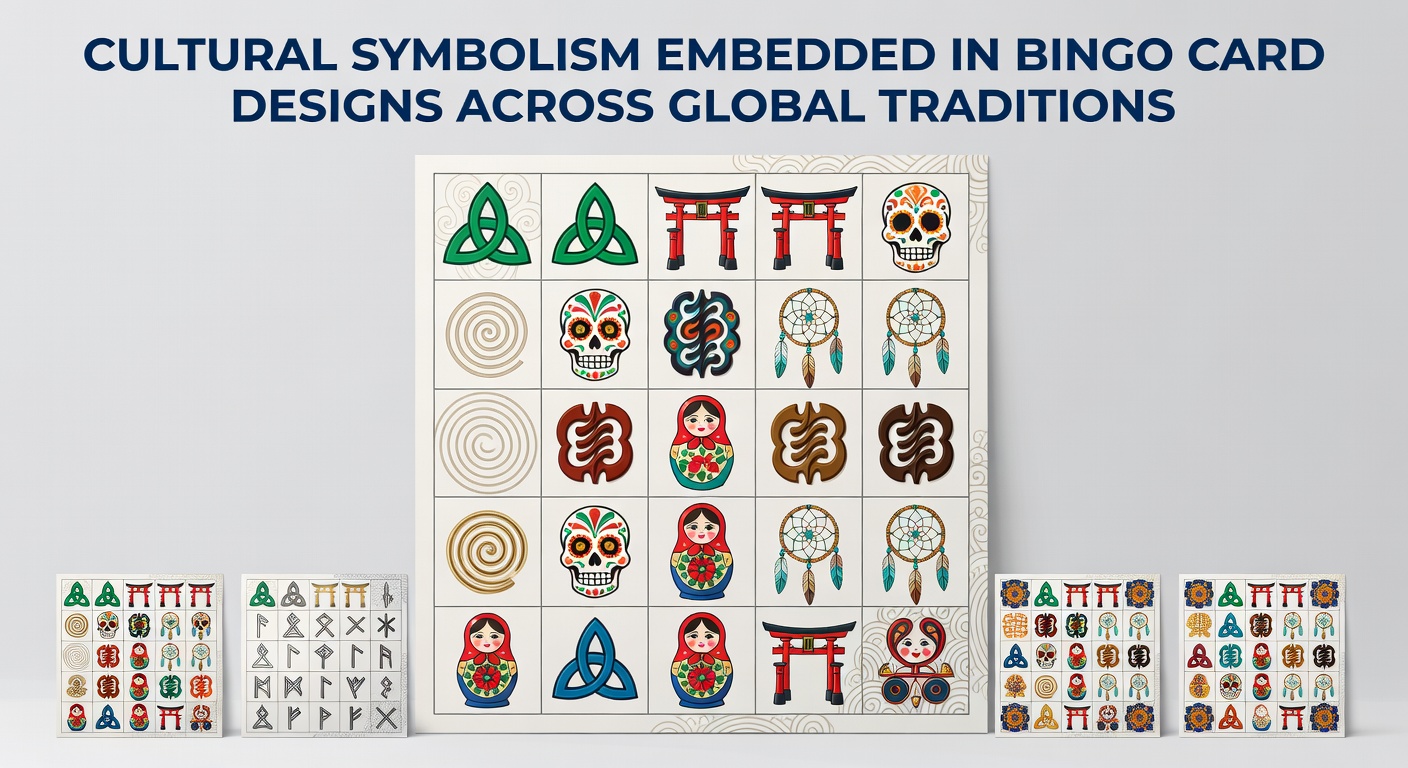
Bingo card designs have carried layers of cultural meaning for generations, with symbols drawn from local traditions appearing alongside the familiar grid of numbers. Researchers at institutions focused on game history note that these elements often reflect the societies where bingo evolved, incorporating motifs that represent beliefs, stories, and daily life rather than serving only as decoration. Observers note how such details connect players to heritage while the game itself spreads across borders. Early European bingo variants from the 16th century onward featured cards with illustrations tied to religious and folk elements, including crosses and seasonal icons that echoed Catholic processions in Italy and Spain. Those who've studied archival game sets from that period point out how these images aligned with community festivals, turning the cards into portable reminders of shared rituals. Data from museum collections shows that printers adapted the layouts to fit local printing styles, which preserved regional artistic conventions.Asian Traditions and Symbolic Motifs
In parts of East Asia, bingo adaptations introduced during the 20th century incorporated elements like cherry blossoms and dragon scales that carry meanings of renewal and protection, according to studies from university anthropology departments. These additions appear on cards used in community halls where players recognize the symbols as nods to seasonal celebrations. What's interesting is how the grid structure remains intact while the borders and number backgrounds shift to include calligraphy or landscape sketches drawn from classical painting traditions.
Japanese community events sometimes use cards with wave patterns and pine tree icons that reference longevity in local folklore, and similar patterns surface in Korean variants that blend number play with hanji paper textures. Experts have observed that these choices help maintain cultural continuity during gatherings that mix generations, since younger players encounter familiar imagery alongside the game mechanics.
Latin American and Indigenous Influences
Across Latin America, bingo cards frequently display religious and nature symbols such as milagros and floral arrangements linked to harvest cycles, with records from cultural archives indicating these elements trace back to colonial-era lotteries. Players in regions like Mexico and Peru encounter saint medallions or mountain silhouettes that echo local festivals, and these features appear consistently on printed sheets distributed at church and village events. The placement of such icons often follows symmetry rules that mirror textile designs from indigenous communities.
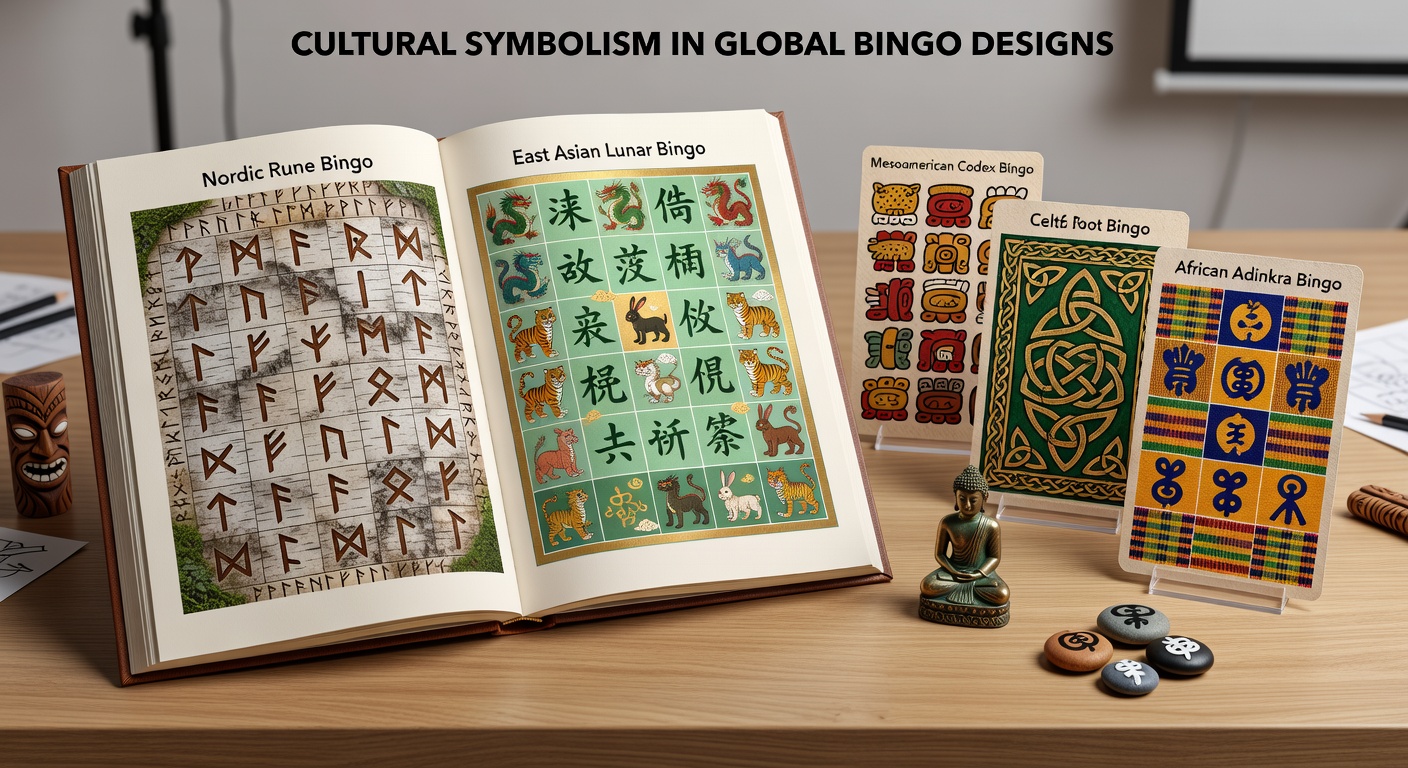
North American bingo halls adopted some of these influences through immigrant communities, yet cards in certain Canadian provinces now include First Nations motifs like thunderbird outlines and beadwork borders documented in reports from heritage research centers. These additions emerged as part of broader efforts to acknowledge traditional knowledge within recreational spaces, and the designs maintain numerical functionality while adding visual references to land and spirit stories.
Contemporary Adaptations and Global Exchange
Modern bingo software developers draw from these historical precedents when creating digital versions that feature customizable backgrounds drawn from world art traditions, and industry reports indicate rising demand for sets that honor specific cultural contexts. In Australia, community organizations have produced cards with Aboriginal dot painting elements that align with storytelling practices, while European producers reference medieval manuscript borders for themed events. The reality is that these adaptations preserve the core 5x5 or 3x3 structure yet allow symbols to travel across regions through licensed artwork.
Figures from cultural exchange programs reveal that bingo events scheduled around international heritage months often spotlight these card variations, fostering dialogue among participants about shared and distinct meanings. One study revealed that groups using culturally inflected cards reported stronger connections to the activity when symbols matched their backgrounds, although the numerical random draw stays unchanged.
Conclusion
Global bingo card designs continue to embed cultural symbolism drawn from diverse traditions, with evidence from archives and field observations showing consistent patterns across centuries and continents. Communities maintain these elements through both printed and digital formats, ensuring the visual language evolves alongside the game itself. As events unfold in coming years, including gatherings planned for May 2026, the integration of such motifs offers a lens into how recreation and heritage intersect.