Bingo's Transition from Paper Cards to Interactive Digital Interfaces in Recreational Settings
Casey Perry · Jun 28, 2026
Bingo's Transition from Paper Cards to Interactive Digital Interfaces in Recreational Settings
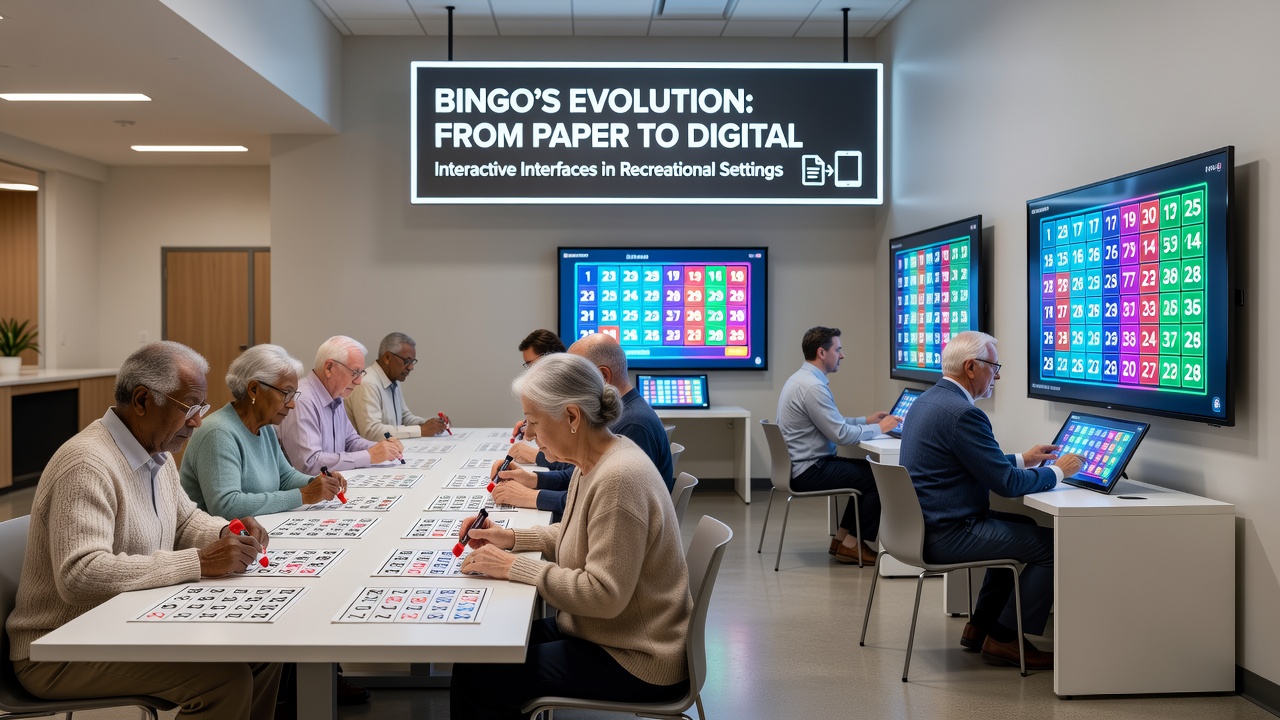
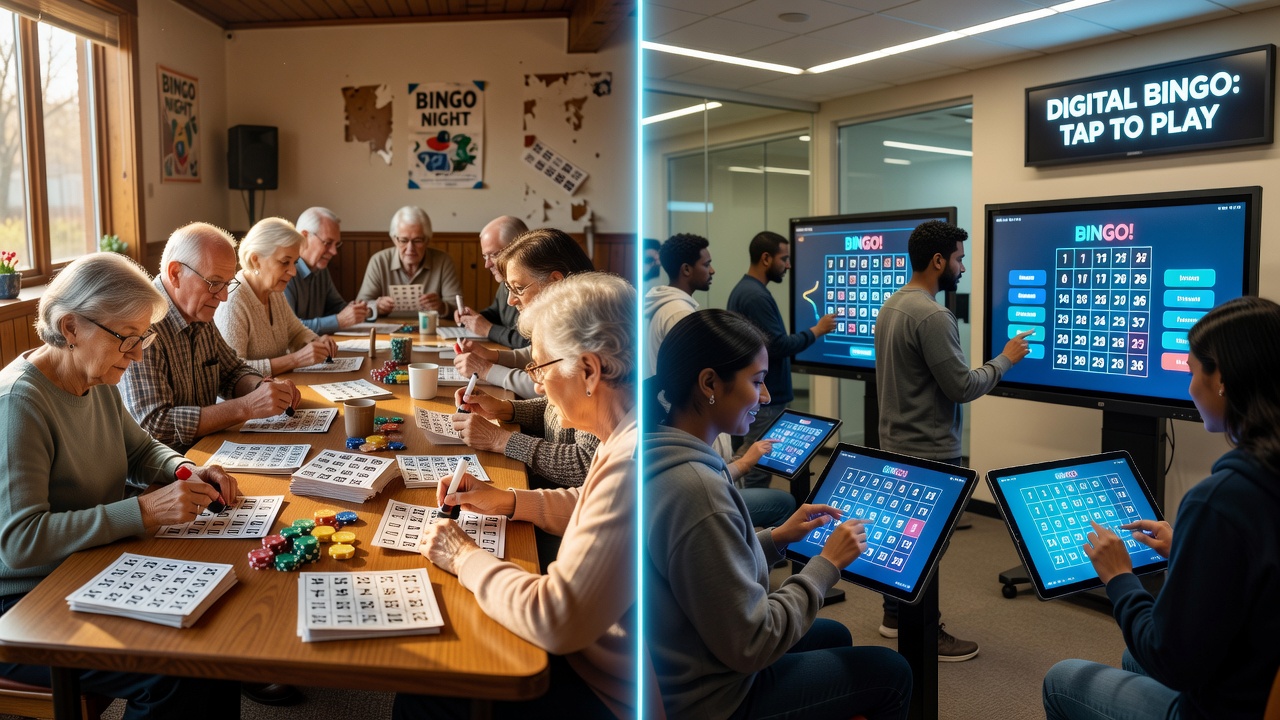
Community centers and recreational facilities worldwide have tracked a steady evolution in how participants engage with bingo games over recent decades, moving away from physical cards marked by hand toward systems that rely on touch-enabled screens and connected interfaces. This change reflects broader adaptations in leisure activities where technology integrates with group settings, allowing halls to maintain social elements while updating operational methods. Paper-based systems dominated recreational bingo for much of the twentieth century, with players using pre-printed grids and ink markers or chips to track called numbers. Facilities managed inventory through bulk printing, and organizers handled verification manually at the end of each round. Data from leisure activity surveys compiled by government agencies such as Statistics Canada show that these methods persisted in many local venues into the early 2000s because of low equipment costs and familiarity among regular attendees. The initial shift toward digital tools began with handheld electronic daubers introduced in the late 1980s and early 1990s. These battery-powered devices let players load multiple card faces and automatically highlight numbers as calls occurred, reducing the need for separate paper sheets per game. Manufacturers supplied units that connected to central consoles, which broadcast number sequences to all devices in a room. Recreational operators in North American and European community halls adopted them gradually, citing reduced setup time and fewer disputes over missed marks. By the mid-2010s, tablet-style interfaces started appearing in larger recreational venues. These systems run dedicated software that displays multiple virtual cards on a single screen, updates in real time through wired or wireless networks, and provides visual confirmation when patterns reach completion. Observers note that facilities often installed shared kiosks or distributed individual units to participants, preserving the group atmosphere while streamlining number tracking. Reports from regional leisure departments in Australia indicate that such installations increased steadily between 2015 and 2020, coinciding with upgrades to community center infrastructure.Expansion in Community and Senior Recreation Programs
Recreational settings such as municipal senior centers, church halls, and nonprofit clubhouses have incorporated interactive displays at varying rates. Larger venues frequently combine legacy paper options with digital stations so attendees can choose their preferred method during the same session. This hybrid approach appears in program descriptions published by city recreation departments across several U.S. states, where attendance logs record continued participation from both long-term paper users and newer digital adopters. In June 2026, several regional leisure networks scheduled equipment demonstrations at community expos, highlighting interface updates that include larger fonts, color-coded alerts, and simplified menu navigation. These events align with broader facility modernization plans tracked by municipal reports, which list digital bingo systems among other recreational upgrades such as accessible seating and lighting improvements. Figures released by the Australian Institute of Health and Welfare on community participation activities show rising use of electronic leisure equipment in group programs during the preceding five-year period.Technical Features Supporting Group Play
Interactive systems in recreational halls typically operate through a central server that distributes number sequences to individual terminals or tablets. Each device maintains an independent record of purchased cards, marks entries automatically, and signals wins through audio or visual cues visible to both the player and floor staff. Technicians configure these networks to support simultaneous games with different prize structures, a setup documented in equipment manuals distributed by suppliers to community operators. Many installations incorporate accessibility options such as adjustable contrast, voice prompts, and enlarged touch targets. These features address needs identified in accessibility audits conducted by local government offices, allowing venues to serve wider participant groups without separate sessions. Data compiled by university research teams studying public recreation patterns indicate that venues offering both formats maintain higher overall attendance compared with single-format locations.