Bingo's Integration Into Therapy Programs for Memory Retention in Clinical Settings
Casey Perry · Jun 14, 2026
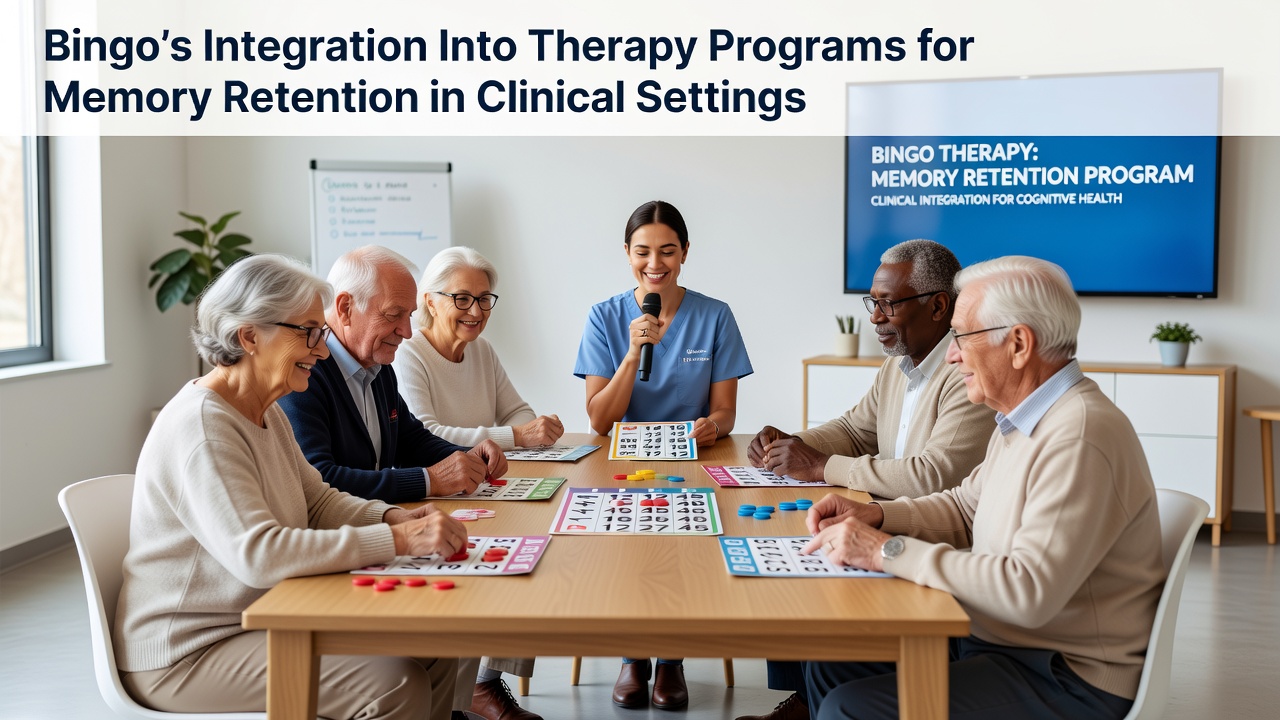
Bingo's Integration Into Therapy Programs for Memory Retention in Clinical Settings
Therapy programs across clinical facilities have incorporated bingo as a structured activity to support memory retention, particularly among older adults experiencing cognitive changes, and this approach draws on the game's combination of number recognition, pattern matching, and group interaction to engage multiple cognitive processes at once.
Background on Clinical Adoption
Facilities began integrating bingo into therapeutic routines during the late twentieth century when staff observed participants recalling numbers and sequences more readily after repeated sessions, and researchers later documented these patterns through controlled observations in nursing homes and rehabilitation centers. Data from various studies indicate that regular participation correlates with sustained attention spans, while the social element encourages verbal recall as players announce called numbers and share stories tied to specific cards.
Mechanisms Supporting Memory Retention
Bingo sessions in clinical settings typically feature adapted cards with larger print and simplified layouts, which allow therapists to track individual progress in number identification and spatial awareness, and programs often combine these games with guided prompts that encourage patients to describe previous winning patterns or associate numbers with personal memories. The activity stimulates both short-term and working memory because players must hold multiple pieces of information, such as the current call and their card positions, simultaneously, while the repetitive structure reinforces neural pathways associated with sequential learning.
Research Findings and Program Examples
Studies conducted by institutions like the National Institute on Aging have examined how game-based interventions affect cognitive scores, and results show measurable improvements in recall tasks among participants who engage in bingo twice weekly compared with control groups following standard routines. In one documented case from Australian care facilities, therapists noted enhanced performance on memory assessments after six months of structured bingo play, particularly in areas involving number sequencing and object association. Canadian health researchers have reported similar patterns in community clinics where bingo serves as a bridge between individual therapy and group activities, allowing staff to observe social cognition alongside memory metrics.
What's interesting is how these programs adapt over time, with some centers introducing themed bingo variants that incorporate historical dates or familiar local references to further trigger long-term memory retrieval during sessions.
Implementation Across Settings
Clinics structure bingo therapy around patient mobility levels, using seated formats for those with limited movement and incorporating audio aids for individuals with visual impairments, and training for facilitators emphasizes clear enunciation along with pacing that matches group attention spans. Hospitals in several regions have added bingo modules to occupational therapy departments, where staff log participation data to adjust difficulty as memory retention metrics shift over weeks or months. Electronic versions appear in some digital therapy suites, enabling remote access for home-bound patients while maintaining teh core elements of number calling and card marking through touchscreen interfaces.
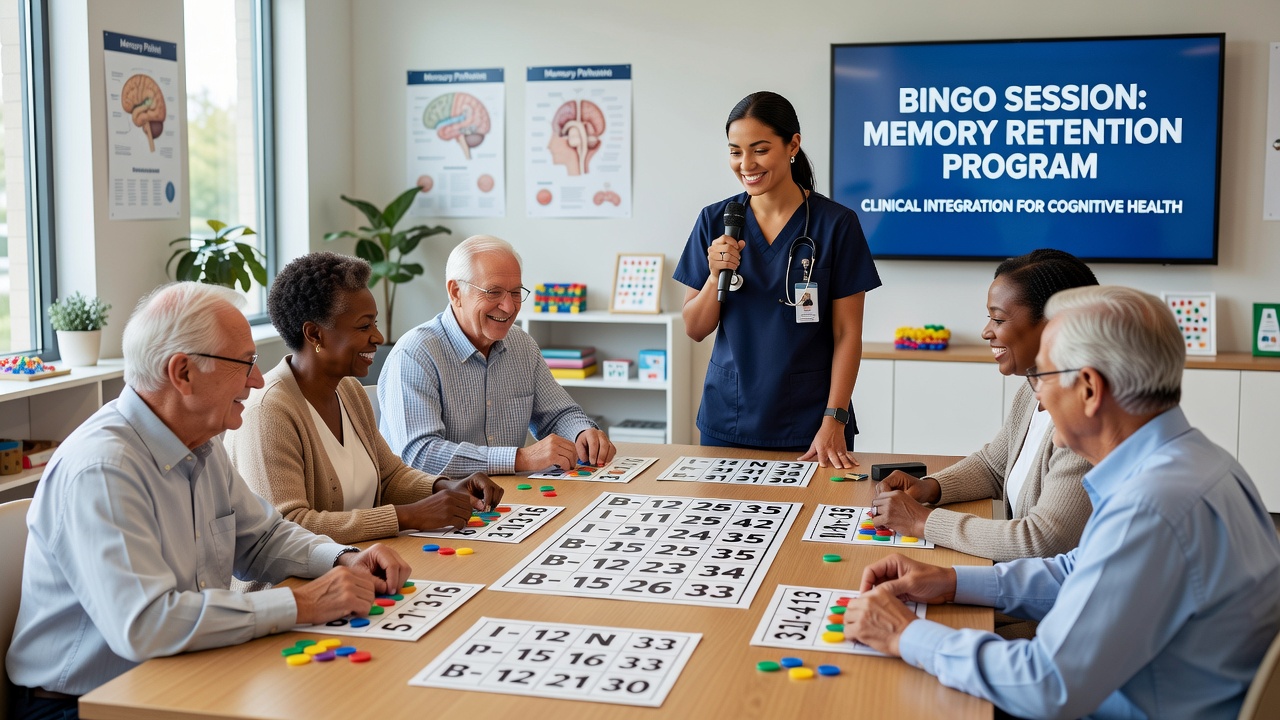
June 2026 marks the rollout of expanded training modules at select European rehabilitation centers, where new protocols emphasize data collection on long-term retention rates following bingo integration, and these initiatives build on earlier pilot programs that tracked participant outcomes through standardized cognitive evaluations.
Observed Outcomes and Adaptations
Facilities report that bingo therapy contributes to reduced isolation because group formats encourage consistent attendance and peer support, and therapists document cases where patients who initially struggled with number recall showed gradual improvement after repeated exposure to the same card formats. Adjustments often include color-coded markers or simplified winning patterns for those with advanced cognitive needs, ensuring accessibility while preserving the memory-challenging aspects of the game. Programs in the United States frequently partner with local senior centers to extend bingo sessions beyond hospital walls, creating continuity that supports ongoing memory practice in community environments.
Future Directions
Emerging protocols explore combining bingo with other cognitive tools such as music or movement elements to broaden stimulation, and research institutions continue to collect longitudinal data that may refine how these activities fit into comprehensive care plans. Observers note that regulatory bodies in multiple countries have begun reviewing guidelines for therapeutic gaming, which could standardize training requirements and outcome measurements across clinical sites.
Conclusion
Bingo's role in clinical memory programs continues to evolve through documented adaptations and measured outcomes, with facilities worldwide refining approaches based on participation data and cognitive assessments. The integration of this activity highlights how structured games can support therapeutic goals when tailored to patient needs and monitored systematically over time.