Bingo's Adaptation Within Corporate Training Programs for Enhancing Team Collaboration Metrics
Katja Hayes · Jul 10, 2026
Bingo's Adaptation Within Corporate Training Programs for Enhancing Team Collaboration Metrics
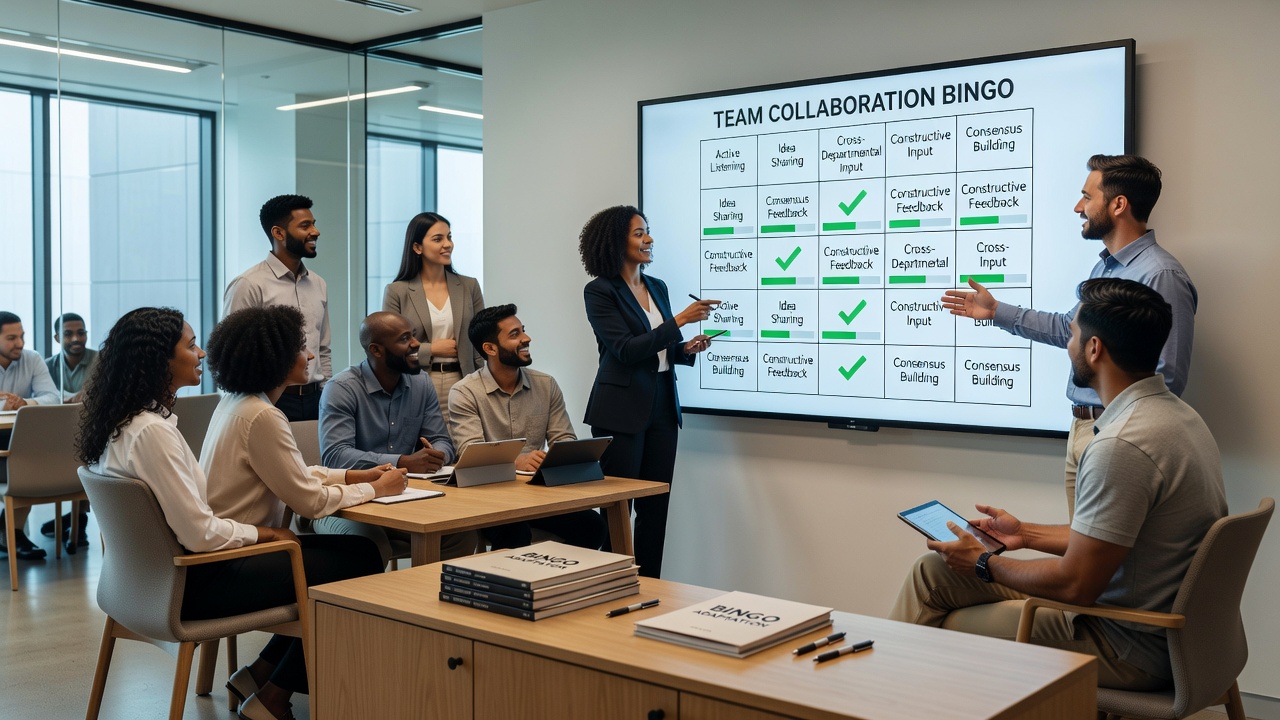
Corporate training programs have incorporated bingo adaptations as structured activities designed to measure and improve team collaboration metrics such as communication frequency, task allocation efficiency, and group decision-making speed. Observers note that these adaptations retain core elements of number matching and card completion while shifting focus toward professional skill development rather than recreational play. Research from multiple organizations indicates measurable gains in collaboration scores when teams participate in repeated sessions over several weeks. Training facilitators modify traditional bingo formats by replacing numerical calls with prompts related to project workflows, interpersonal dynamics, and problem-solving scenarios. Participants mark cards upon identifying relevant examples from their own experiences, which encourages knowledge sharing across departments. Data from internal assessments at large firms shows that groups completing these sessions record higher rates of cross-functional project contributions compared to control teams without the activity.Implementation Frameworks in Professional Settings
Organizations structure bingo adaptations around specific collaboration indicators tracked through pre- and post-session surveys plus digital collaboration platform analytics. A typical framework divides sessions into phases where teams first review shared objectives, then engage in the adapted game, and finally debrief outcomes using standardized rubrics. Figures from a 2025 industry report reveal that 68 percent of participating companies integrate these sessions into quarterly training cycles.
Digital platforms support hybrid versions accessible to remote and in-office employees simultaneously, with real-time tracking of participation rates and response accuracy. Software logs individual contributions to team discussions triggered by each bingo prompt, generating reports on engagement distribution. Experts at research institutions highlight that such tracking helps identify imbalances in team input before they affect project timelines.
Measurement of Collaboration Metrics
Metrics targeted include average response time in group chats, frequency of idea handoffs between members, and completion rates for joint deliverables. Studies conducted by academic teams at North American universities demonstrate correlations between bingo-based exercises and a 22 percent increase in documented collaborative actions within two months. These findings appear in peer-reviewed summaries released through university repositories rather than commercial channels.
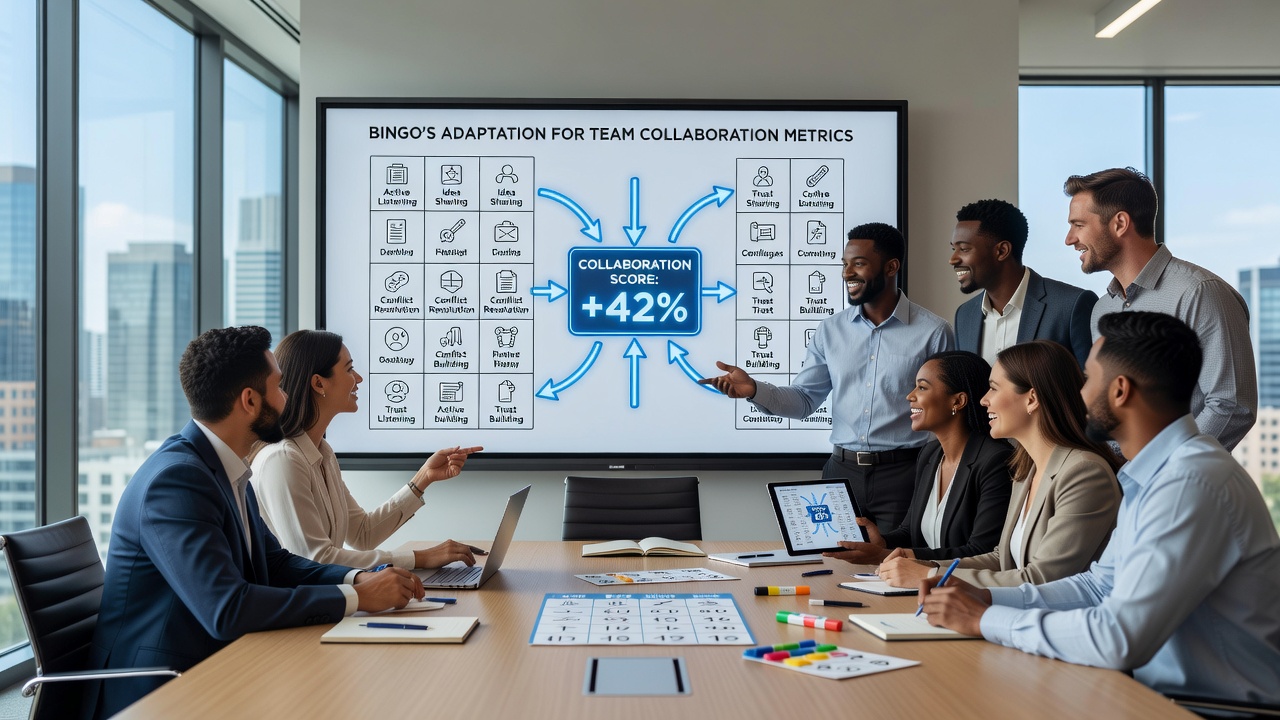
Assessment tools combine quantitative logs from enterprise software with qualitative observations collected during debriefs. Facilitators compile scores for categories such as active listening indicators and consensus-building instances, then compare them against baseline data gathered before training begins. Australian workforce development agencies published guidelines in early 2026 that outline standardized rubrics adaptable across sectors including technology, finance, and healthcare.
Case Examples from Recent Programs
One multinational corporation piloted an eight-week program in spring 2026 where departments used bingo cards themed around innovation processes, resulting in documented rises in inter-team referrals for resource sharing. Another regional healthcare network in Canada applied similar methods during onboarding for new clinical teams, with internal audits showing improved coordination on shift handovers measured through reduced error logs.
European training consortia have explored variants that incorporate regulatory compliance topics into card prompts, allowing teams to practice joint navigation of policy updates. Reports from these consortia indicate sustained improvements in collaborative audit preparation times when sessions repeat monthly. Data collected through July 2026 continues to inform refinements in prompt design and session length.
Future Directions and Ongoing Research
Analysts project expanded use of adaptive algorithms that adjust bingo prompt difficulty based on real-time team performance data. Research initiatives scheduled for late 2026 aim to isolate variables such as session frequency and group size to optimize outcomes further. Professional associations continue compiling comparative datasets across industries to establish benchmarks for collaboration metrics tied to these training methods.
Conclusion
Corporate adoption of bingo adaptations demonstrates a measurable pathway for organizations seeking structured approaches to collaboration enhancement. Evidence gathered from training implementations, platform analytics, and cross-regional studies supports continued refinement of these programs through 2026 and beyond. Observers tracking workforce development trends note that integration with existing performance systems allows consistent evaluation without disrupting operational workflows.