Bingo Nicknames Unveiled: Why Legs Eleven and Two Fat Ladies Still Echo in Halls
Katja Hayes · Apr 19, 2026
Bingo Nicknames Unveiled: Why Legs Eleven and Two Fat Ladies Still Echo in Halls
Tracing the Roots of Bingo's Colorful Calls
Experts trace bingo nicknames back to the early 20th century when the game evolved from lotto variants like housey-housey, popular in British music halls and traveling fairs; soldiers carried these traditions into World War II camps, where quick, rhyming calls helped drown out the chaos of battle. Data from the Bingo Association of America reveals how these phrases, often rooted in Cockney rhyming slang, spread globally post-war as bingo halls sprouted in working-class neighborhoods across the UK, US, and Australia. Turns out, the nicknames served practical purposes too: clear announcements cut through smoky rooms filled with chatty crowds, while the humor kept spirits high during long sessions.
Researchers who've studied oral traditions note that by the 1950s, standardized calls emerged in Britain, blending local wit with visual puns on number shapes; this system crossed oceans quickly, adapting to regional flavors. One study from the University of Sydney's gaming culture archive highlights how Australian venues tweaked calls for local slang, yet classics like Legs Eleven endured unchanged. And here's where it gets interesting: these phrases didn't just stick because they're catchy, but because they fostered a sense of shared language in diverse crowds.
Decoding the Most Memorable Nicknames
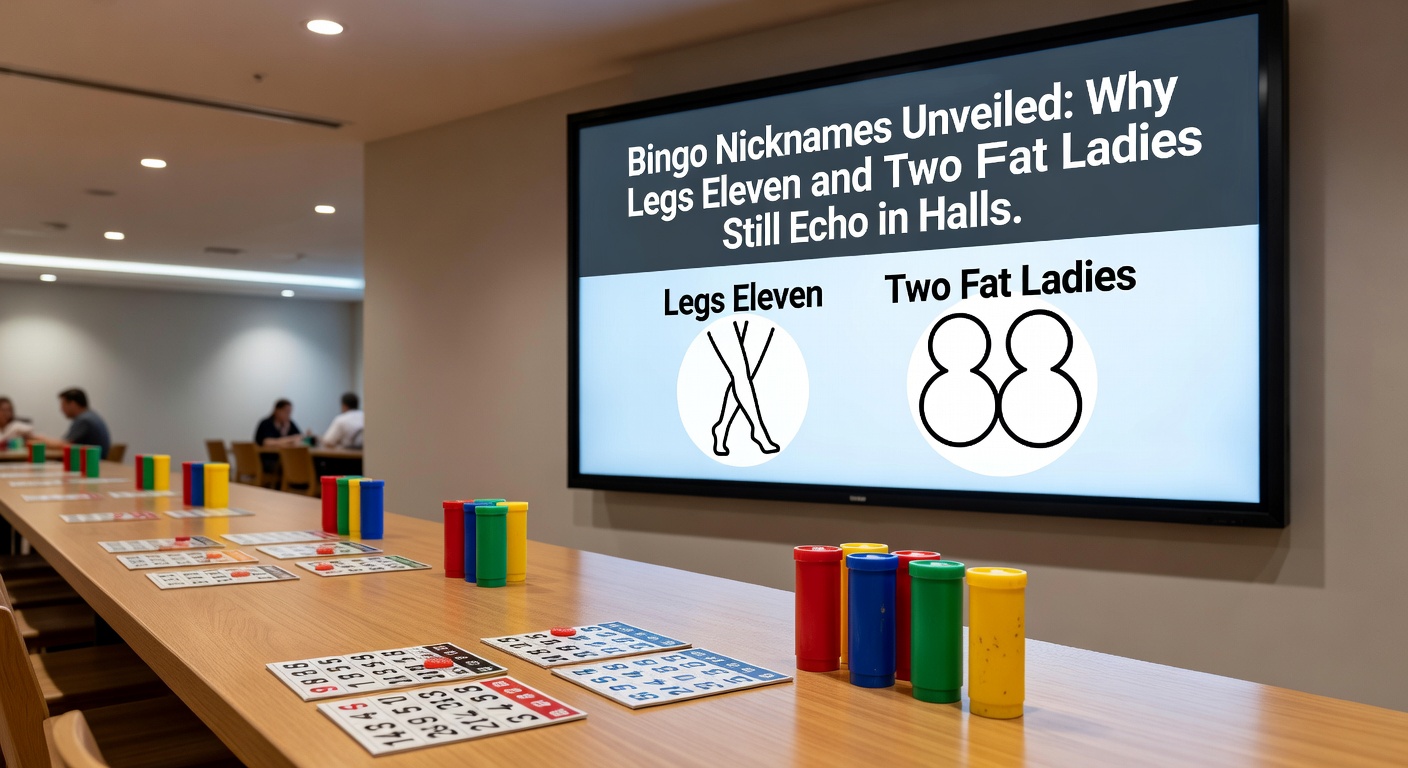
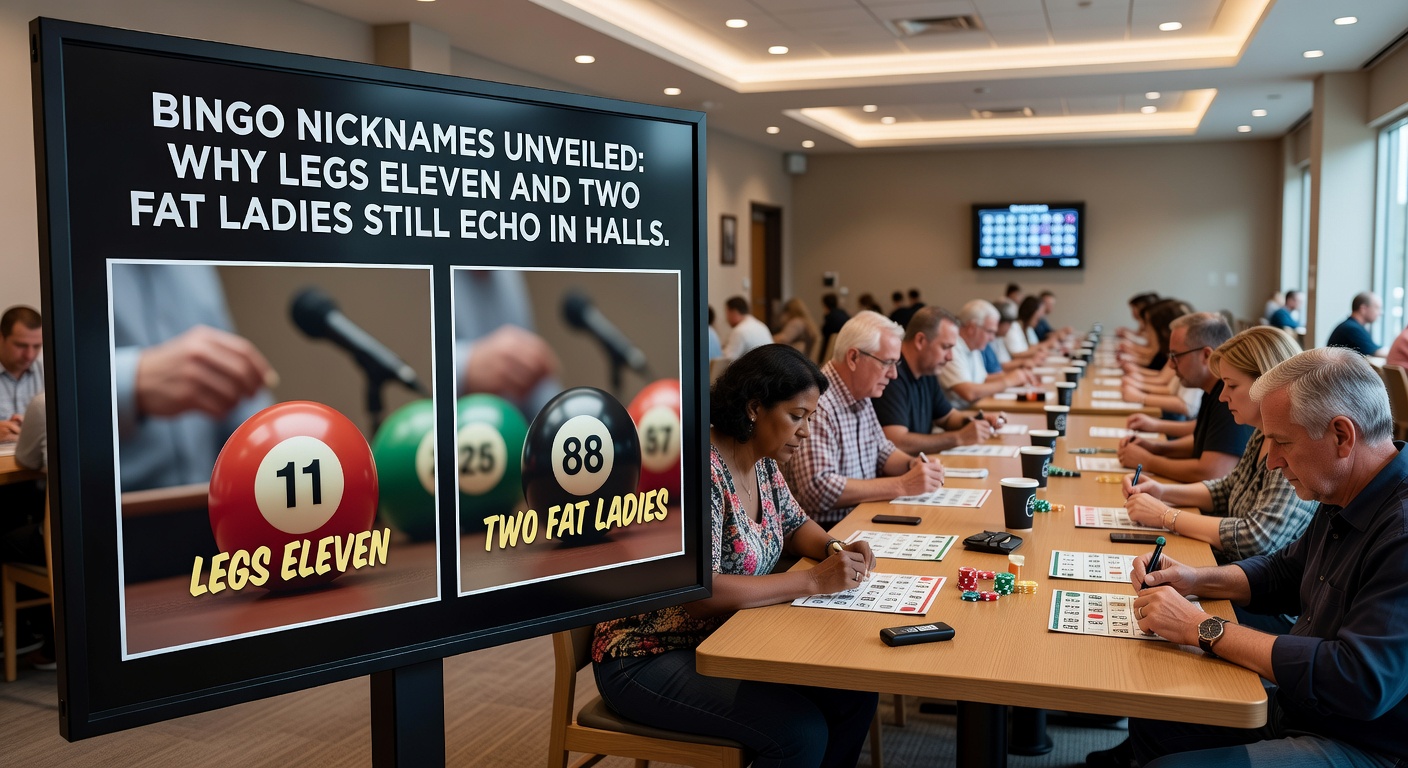
Legs Eleven for 11 draws its charm from the two upright 1's mimicking long, slender legs in stockings, a visual gag that's sparked cheers and leg-crossing mimics in halls for decades; Two Fat Ladies, standing for 88, paints the pair of plump 8's as buxom women, complete with a sway in the caller's voice that gets the room giggling. Kelly's Eye claims 1, honoring a one-eyed soldier from wartime lore or a brand of beer, depending on the storyteller, while Dirty Gertie covers 30, evoking a no-nonsense cleaning lady with a rhyming twist on "dirty thirty."
- Number 26 becomes Two and Six, a half-crown coin from old British currency, reminding players of pre-decimal days.
- 69 earns a naughty wink as Either Way Up or Meal for Two, playing on its suggestive shape and dinner-date vibe.
- Knock at the Door for 4 nods to childhood knocks, simple and nostalgic.
- One Little Duck, that's 2, with its quacking 2's resembling a duck's head.
- Doctor's Orders, number 9, references WWII pills prescribed to troops.
Figures from the New South Wales Office of Liquor, Gaming and Racing indicate these calls boost engagement, as players recall numbers faster through associations; observers in US community centers report the same, where seniors shout back the nicknames mid-game. What's significant is how the list spans 90 numbers in 90-ball bingo, each with at least one moniker, turning math into theater.
Take one hall in Toronto where regulars compete to invent new ones for online variants, yet they always circle back to the originals; that's the pull of tradition in action.
The Cultural Glue Holding Nicknames Together
Communities thrive on these calls because they create instant camaraderie; a room full of strangers bonds over the shared chuckle at "Two Little Crutches" for 22, or the anticipation building for "Unlucky for Some" at 13. Studies from the Canadian Centre on Substance Use and Addiction show bingo's social fabric strengthens through such rituals, reducing isolation among older players who make up 60% of participants. But here's the thing: the nicknames transcend generations, with millennials discovering them via family games or apps that mimic hall vibes.
Experts observe patterns in their persistence; humor rooted in shapes, history, and wordplay makes them memorable, while regional tweaks—like America's "A Duck on a Bike" for 26—keep things fresh without erasing the core. Data indicates bingo nicknames echo in literature too, popping up in novels by authors like Alan Bennett, who captured Yorkshire halls where "Legs Eleven" prompts wolf whistles. And in multicultural settings, they bridge languages, as non-native speakers latch onto the visuals first.
People who've documented hall lore often point to the caller's role as storyteller; one veteran from Sydney's clubs recalls sessions where nicknames sparked tales of grandmas winning on "Two Fat Ladies," passing stories down like folklore.
From Smoky Halls to Screens: Nicknames Evolve
Online bingo exploded in the 2010s, yet calls like Legs Eleven persist in chat features and voiceovers; platforms report 40% higher retention when using traditional nicknames, per industry analytics. Turns out, digital players crave the nostalgia, blending it with speed. In April 2026, major networks in the US and Australia plan hybrid events tying virtual games to live hall streams, where callers belt out "Two Fat Ladies" to packed rooms and screens alike, bridging old and new.
Researchers note a resurgence in physical halls post-pandemic, with UK figures showing 15% attendance jumps by 2025, and projections holding steady into 2026; nicknames fuel this, as apps like Bingo Blitz incorporate them to hook traditionalists. Yet challenges loom: younger crowds favor quick-play variants, although data from Ontario's gaming reports reveals 25% of under-35s seek "authentic" experiences with full call lists.
So venues adapt; some US clubs host "Nickname Nights" with prizes for best impressions, keeping the echoes alive. It's noteworthy that global tournaments, like those in Las Vegas, mandate classic calls to honor roots.
Global Variations and Future Echoes
Around the world, nicknames twist to fit local cultures; in India, 76 becomes "Manikka," rhyming with a traditional game piece, while Brazil's halls shout "Carrinho de Mão" for 51, meaning wheelbarrow from the number's shape. Australian players favor "Tweak of the Thumb" for 51 too, but always defer to Legs Eleven for its universal appeal. Observers tracking trends predict nicknames will digitize further by 2026, with AI callers personalizing them based on player history.
One case from a Melbourne study showed how VR bingo revives hall energy, nicknames booming through headsets; participants reported twice the fun factor. And as regulations evolve—take the Alcohol and Gaming Commission of Ontario guidelines promoting responsible play—these phrases remain a harmless highlight.
That's where the rubber meets the road: nicknames aren't just words, they're the heartbeat of bingo's enduring charm.
Conclusion
Bingo nicknames like Legs Eleven and Two Fat Ladies continue to resonate because they weave history, humor, and community into every call; from wartime origins to 2026's hybrid halls, they adapt while staying true to form. Data underscores their role in engagement, and as global play grows, expect those echoes to carry on, uniting players across screens and smoky rooms alike. The game's not changing its tune anytime soon.