Bingo Lexicon Development Through Regional Player Interactions in Regulated Venues
Katja Hayes · Jul 31, 2026
Bingo Lexicon Development Through Regional Player Interactions in Regulated Venues
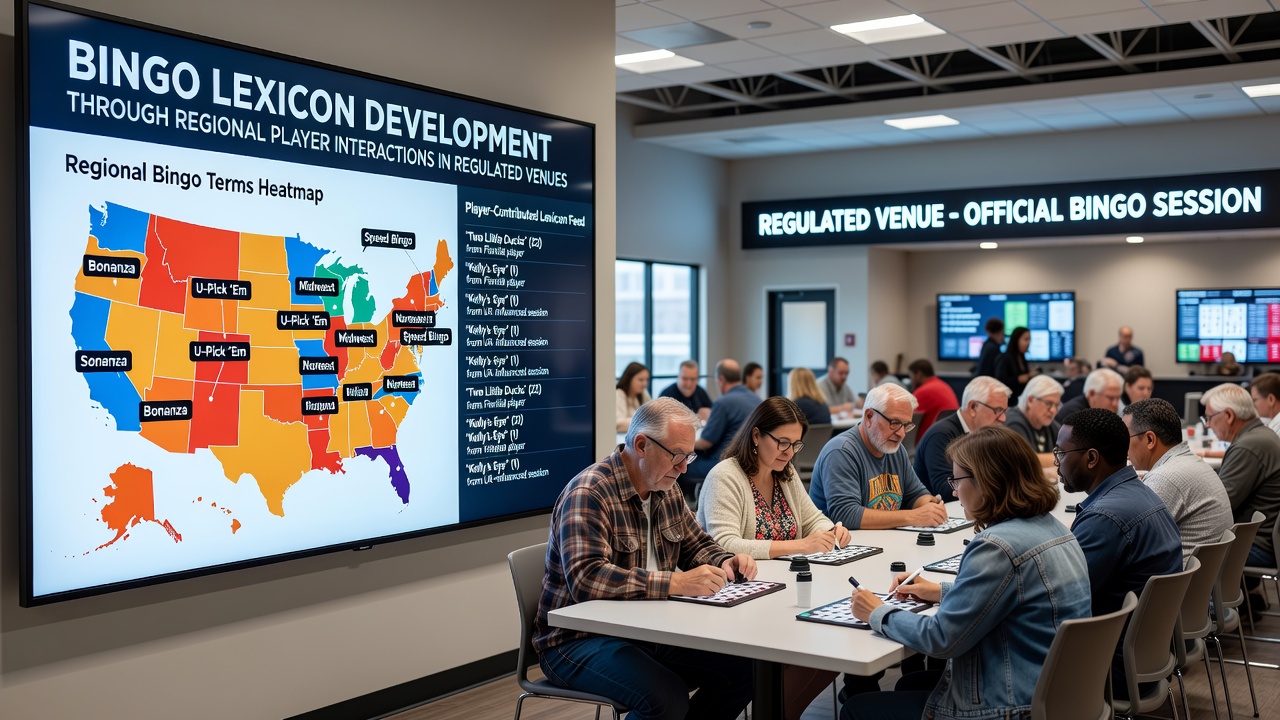
Regulated bingo venues serve as primary spaces where players from varied backgrounds exchange language that shapes the evolving lexicon of the game, and this process unfolds through daily sessions that encourage repeated verbal exchanges among participants. Venues operating under government oversight maintain structured environments that allow informal conversations to occur between games while still adhering to operational standards set by licensing bodies.
Mechanisms of Term Formation in Licensed Facilities
Players introduce phrases drawn from local customs and daily life during breaks or between rounds, and these expressions gain traction when repeated across multiple sessions in teh same hall. Regulated operators document certain patterns of speech in internal reports because staff observe how groups adopt shorthand for specific number combinations or game variations. Data collected from North American facilities shows that terms often stabilize after several weeks of consistent use among core attendees who return on scheduled nights.
Interactions between regulars and newcomers accelerate the spread of new vocabulary because experienced participants explain rules or call sequences using familiar slang that visitors then carry to other locations. Licensing requirements in many jurisdictions mandate clear communication standards which indirectly influence how staff and players refine terminology to avoid misunderstandings during play.
Geographic Influences on Shared Vocabulary
Regional player movement between regulated halls creates pathways for lexical exchange as individuals relocate for work or family reasons and bring established phrases into new communities. Venues in border areas between provinces or states record higher rates of blended terminology because cross-regional visitors participate regularly in weekly events. Observers note that certain number references shift pronunciation or add qualifiers depending on the dominant player group present on any given evening.
Studies tracking attendance patterns indicate that seasonal influxes of tourists into destination gaming areas introduce temporary expressions that sometimes persist when they fill gaps in existing house calls. Facilities maintain records of these shifts to ensure announcements remain understandable to all participants regardless of origin.
Regulatory Oversight and Lexical Standardization
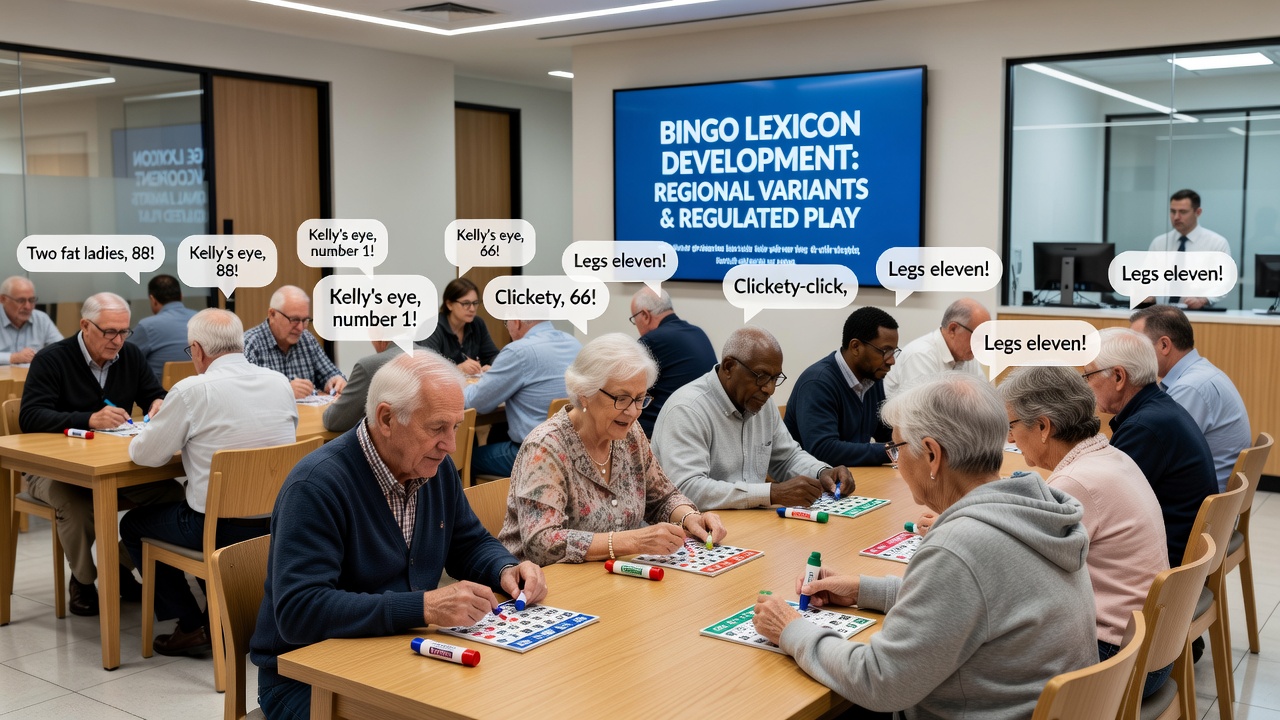
Government agencies require venues to use approved terminology during official calls yet permit informal player conversations that generate additional layers of language outside formal play. Reports released in July 2026 by gaming authorities in several Canadian provinces highlighted how regulated environments balance these dual communication streams without compromising game integrity. According to information from the Alberta Gaming, Liquor and Cannabis Commission, operators submit periodic summaries of observed language trends that help regulators understand emerging player needs.
Venues in Australia follow similar protocols where state licensing boards review player feedback sessions to identify terms that require clarification for fairness. These reviews reveal that interactions among mixed groups often produce hybrid phrases combining elements from multiple dialects which then enter common usage within the facility.
Digital Tools and Continued Evolution
Many regulated halls now incorporate electronic displays alongside traditional verbal calls, and this combination allows players to compare digital readouts with spoken phrases during games. The resulting discussions between sessions contribute to further lexicon refinement as participants debate preferred wording for specific patterns. Industry organizations such as the World Lottery Association have compiled regional data showing that electronic integration correlates with accelerated adoption of certain technical terms across different jurisdictions.
Player networks that span multiple venues share updates through in-person meetings at regional tournaments or league events, and these gatherings serve as additional catalysts for lexical development. Records from such events demonstrate consistent patterns where new descriptors for game mechanics originate in one location and appear in distant halls within months.
Conclusion
Regional player interactions within regulated bingo venues continue to drive lexicon development through structured yet informal exchanges that respect licensing boundaries while permitting organic language growth. Data from multiple oversight bodies confirms that these processes remain active as participant demographics shift and new regulatory frameworks emerge across jurisdictions. Continued monitoring by operators and agencies ensures that evolving terminology supports both accessibility and operational compliance in licensed settings.